The Benefits of Cruciferous Vegetables to Women’s health

Eating loads of fresh fruit and vegetables regularly can do wonders for the overall health of the body. Fruits and vegetables are rich in nutrients, minerals and the antioxidants needed to support daily bodily functions. Women in particular can add more cruciferous vegetables to their daily diet to help manage hormone problems and prevent certain types of cancers.  

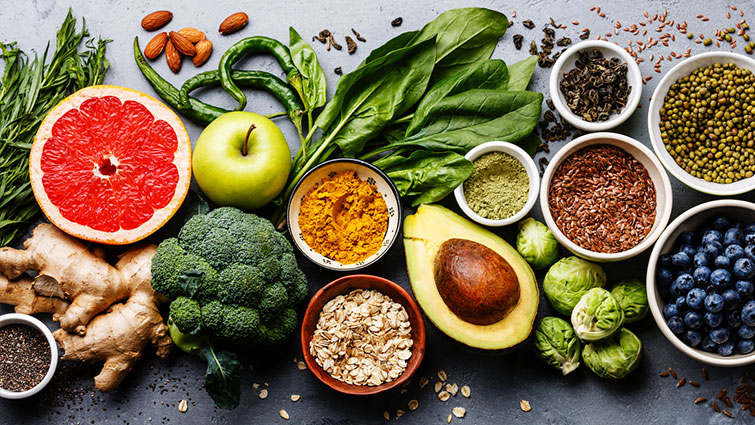
There are several cruciferous vegetables that can be sourced locally and at reasonable prices. Vegies like cauliflower, cabbage, broccoli, Kale, Bok choy and watercress are great sources of vitamins B9, C, K and fiber which all are beneficial to the body in different ways.  Research studies have shown that these vegetables can reduce the risk of heart disease and also contain a compound known as glucosinolates which may lower the occurrence of a number of cancers such as colon and breast cancers, pancreatic cancer, and cancer of the bladder. 

Eating these types of vegetables can also help to manage hormone imbalances in women as it helps to detoxify the liver to rid the body of excess hormones like estrogen which can cause serious health issues when there is too much of it in the body such as painful periods, weight gain, fibroids, Premenstrual syndrome (PMS) and mood fluctuations.  

It is advised to speak to a nutritionist of health care provider if you have issues with your thyroid such as goiters (Hyperthyroidism and Hypothyroidism) or when taking certain medication to get proper direction on how these vegetables can be prepared and consumed without affecting you negatively. 
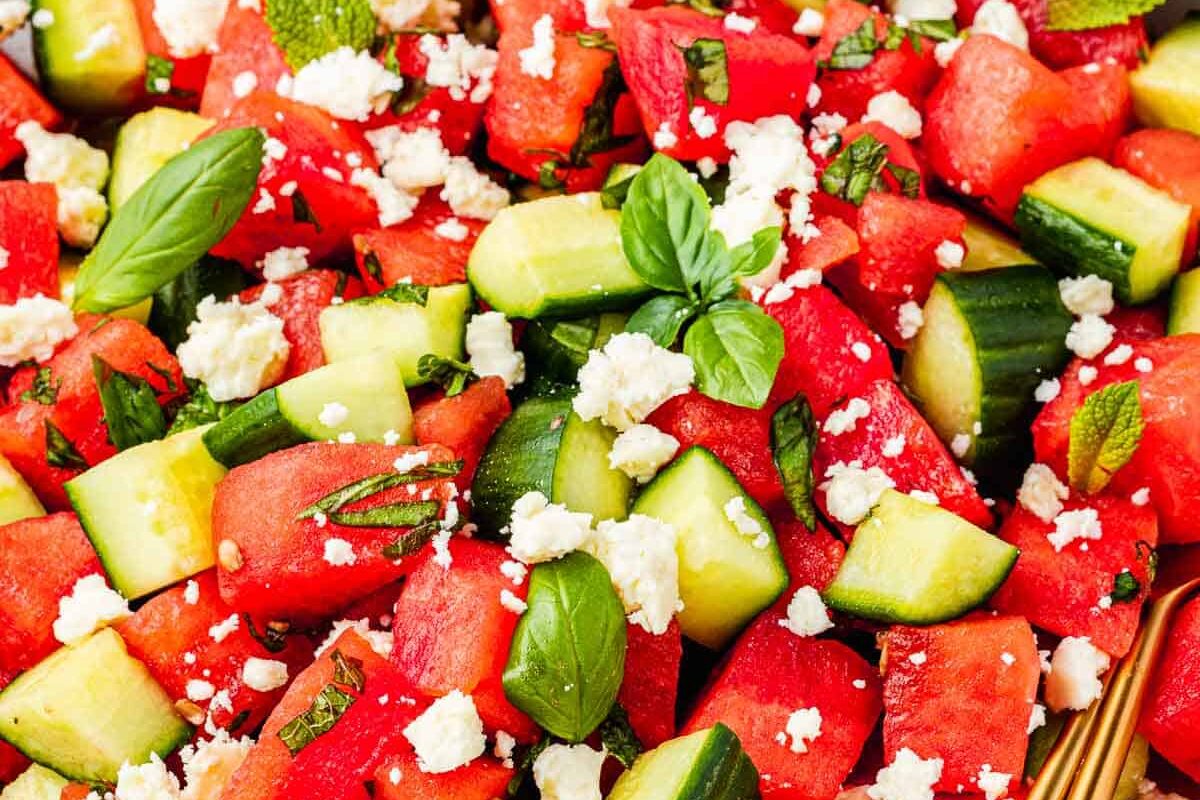
WATERMELON SALAD

INGREDIENTS

  • 1/4 cup thinly sliced red onion
  • 1/4 cup fresh lime juice (from 2 large limes)
  • 5 to 6 cups seedless watermelon, cut into 1-inch.  
  • 2 cups chopped cucumbers,  
  • 1 cup packed mint leaves
  • 1/3 cup crumbled homemade cheese or preferred cheese.
  • 1/4 cup extra-virgin olive oil
  • Salt, to taste
  • Freshly cracked black pepper, to taste

METHOD

Combine the sliced red onions and lime juice in a small bowl. Let it sit until slightly softened (10 to 15 minutes).

In a very large bowl, combine the watermelon, cucumber, mint, and cheese, toss gently. Add the red onion only, not the juice.  

To make the dressing, add the olive oil to the small bowl with the lime juice from the onions. Whisk together and add salt and pepper to taste.

Add the dressing to the salad and toss gently to incorporate. Taste and add more salt and pepper if desired. Serve immediately, or chill for up to 2 hours before serving.

How to Store Watermelon Salad

This salad is best eaten as soon as it’s made, but you can refrigerate it, for a day or two, max, before the watermelon starts to break down.

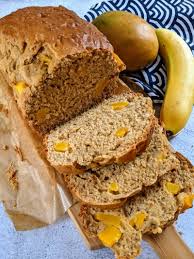
BANANA AND MANGO BREAD

INGREDIENTS
5 Ripe bananas
2 Ripe Mango
1 cup. Oil
4 cups baking flour
4 Eggs
1/2 cup. Molasses
1 cup. Brown sugar
1/2cup. Raisins
1 tsp. Anise essence
1 tsp. Mix essence
2tsp Nutmeg
2 tbsp. Cinnamon powder
Grated ginger – to taste
2 tsp. Lemon zest-
2 tbsp. Baking powder
1tsp. Baking soda
Butter to grease

DIRECTIONS

  • Preheat the oven to 350F
  • Peel the bananas and crush them with a fork, reserve them in a bowl.
  • Peel the mangoes and cut into small pieces, add to the banana.
  • Grease and flour 2 baking loaf pans.
  • Mix the eggs, essences, lemon zest, and oil with the banana and mango then sift in the flour and all the dry ingredients and mix well with a wooden spoon.
  • Place in the pans and bake for 30 to 45 minutes. Remove from the oven and let cool, remove from pan. Cut into slices and serve.

NOTE

To make the Banana and Gingerbread; Substitute mango for 2 tbsp. of powder ginger and add an extra banana.

Nutrition and Fibroids 

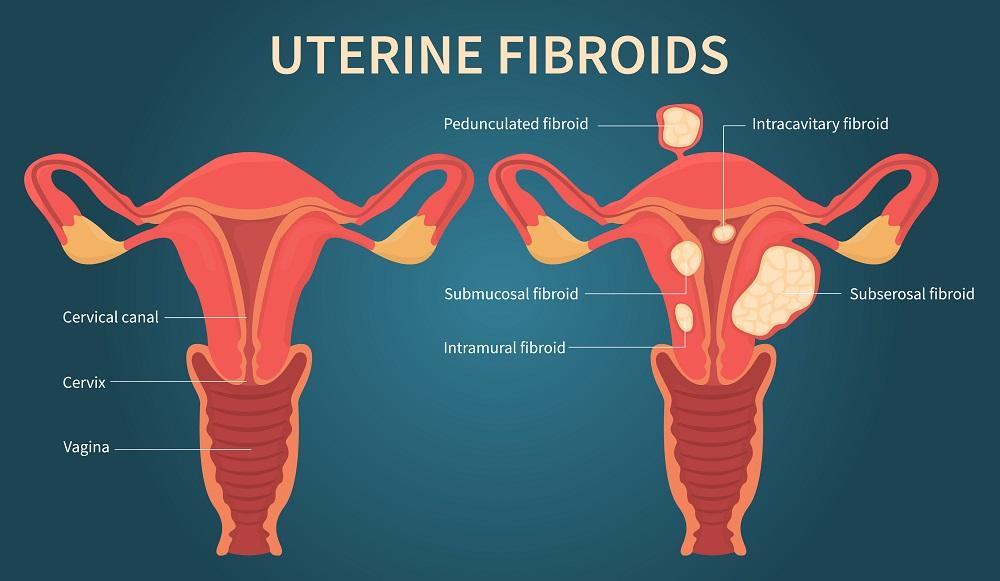
Fibroids which are called myomas, and leiomyomas can affect any woman, once they are within the age of procreation. Fibroids are not cancerous or life threatening but have been linked to cancers of the uterus and can cause reproductive complications and other health problems. There is no known cause of fibroids however the condition may also be genetic as a woman is at risk of developing the growths if her mother or sister has it. 

It is possible to treat and remove fibroids with medication and surgery, however there are simple changes one can make to their diet and daily life that can help to reduce the size of the growths. Stress management practices and moderate exercise which lasts for 30 minutes for 4-5 days weekly ( are also great things that can be implemented into daily schedules to help with managing fibroids. 

Implementing more fresh fruits and vegetables into the diet can help reduce the likelihood of developing fibroids, according to “Web.md” a recent study found that eating lots of fruits like apples and tomatoes, and cruciferous vegetables such as broccoli and cabbage helps with lowering risks and also eating healthier choices like organic fruits and vegetables and whole-grain foods could help improve your symptoms. The source also states that proper blood pressure management can also help. 

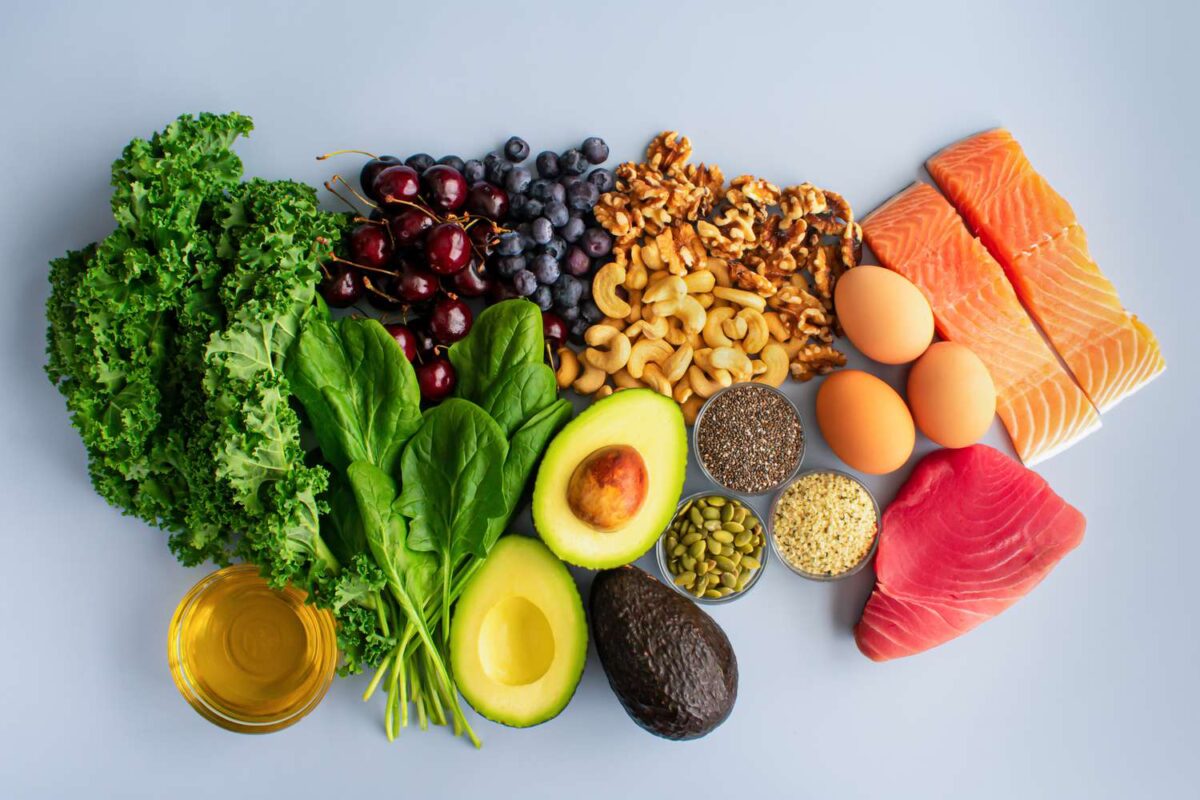
Increasing the intake of potassium with foods like potatoes, avocadoes and banana, fiber rich foods like whole grains, vegetables and peas, as well as, dairy products and green tea can also assist in managing fibroids. It is important to avoid processed foods, red meats, and high-fat dairy, sugars, caffein and alcohol as these foods can make your fibroids worse.  

You can speak to a nutritionist of dietitian for help with formulating a diet plan to manage your fibroids. Follow the GFNC’s FaceBook, Instagram and TikTok for information. 

Nutrition and Menstruation

Having a healthy and pain free menstrual cycle may depend allot on the types of foods you consume and when you consume them and your mental and physical well-being. There are several foods that can be added to the diet strategically to assist with managing the challenges faced during the menstrual cycle.  

Every woman faces different challenges with menstruation; however, each woman is faced with the challenge of retaining iron during this time. According to the university of Edinburgh’s Centre for Reproductive Health, “Iron is an important mineral that helps the body carry out several different functions (including helping our muscles, brain, immune system) and it is found in the red blood cells means that each month, there is a loss of iron through menstrual blood”. Incorporating foods that are rich in iron into the diet can help solve this problem. Research also states that “women and girls over the age of 11 need 14.8 mg of iron per day”. Eating lots of fruits and vegetables which are natural sources of vitamin C will help the body to absorb the iron consumed from beans and peas, nuts, and dried fruits; meat, liver, and red meat contain iron that is readily absorbed by the body. 

Women should include whole grains, lean protein, fruits, vegetables, seeds, nuts, and legumes into their eating plans. A variety of herbs and spices can also be used before and during the cycle to help with pain and discomfort. These include fennel seeds which may help relieve pain and decrease bleeding length, cinnamon, sage and cummin which all may lessen cramping and flow, ginger which can help to relieve menstrual pain, nausea, and bloating and turmeric which can help with PMS symptoms. Dark chocolate which contains 70% or more cocoa can also be consumed during the cycle to help with discomfort and a nutrient boost as it is full of antioxidants, fiber, and nutrients like iron, zinc, magnesium, and potassium. 

It is important to avoid foods that are highly or moderately processed or prepackaged such as processed meats, snacks, sweets, fast food and fried foods and alcohol.  You can find Information like these and other topics on our Facebook @Grenada Food & Nutrition Council, TikTok @gfnc473 and Instagram @gfnc_gd