The Health Benefits of West Indian Cabbage

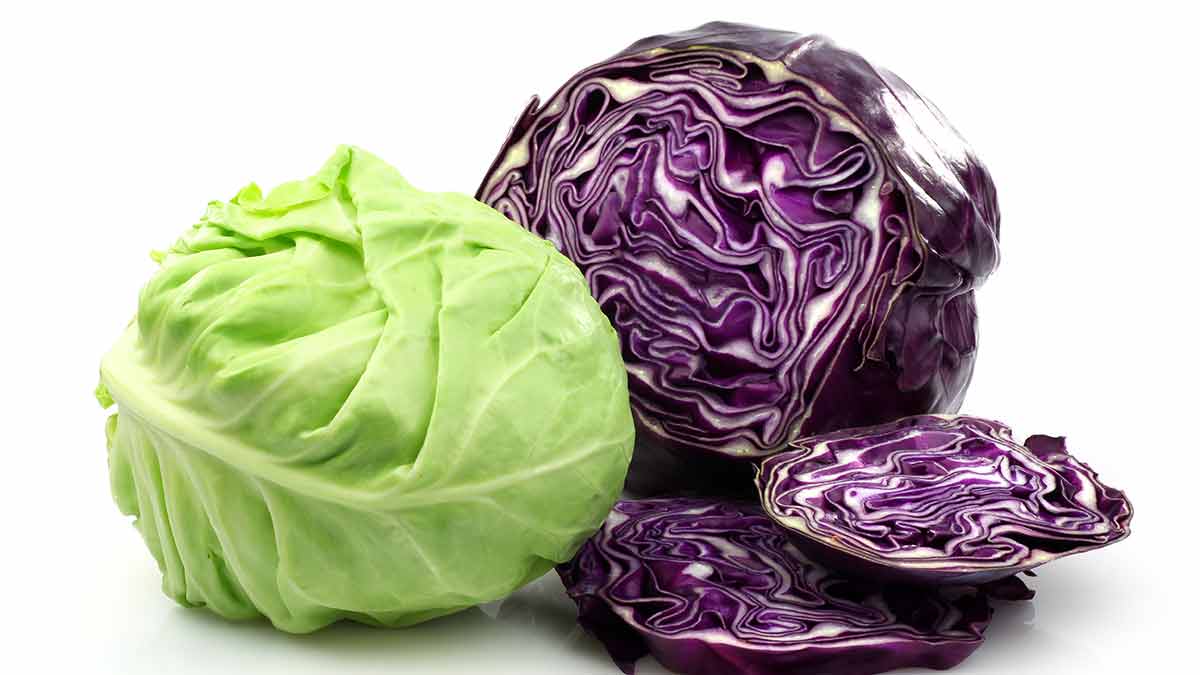
Cabbages are a very versatile locally sourced vegetable that is also very good for supporting overall health and wellbeing. Cabbage is rich in Vitamin K and also vitamin C, and fiber. It is a great source of folate and vitamin B6 which both support the nervous system, energy metabolism in the body, and other essential processes. The insoluble and soluble fiber found in cabbage can help to support healthy digestion, gut health, and regular bowel movements. The vegetable also contains antioxidants such as polyphenols and sulfur compounds which help to protect the body against free radicals.

Eating cabbage can also help lower blood pressure and cholesterol because it contains both potassium which helps reduce and balance blood pressure and phytosterols that reduce LDL or bad cholesterol by blocking the absorption of cholesterol in the digestive tract.

Cabbages can also aid in eye health, a healthy pregnancy, inflammation in the body, and bone health, and help to support weight management. Red cabbage contains powerful compounds and plant pigment called anthocyanins which belong to the flavonoid family and is responsible for its colour. Studies have shown that eating foods rich in anthocyanin can help to reduce the risk of heart disease. Red cabbages also contain sulforaphane which also helps support health and has cancer-fighting properties.

Cabbages can be consumed in many ways, including salads, roasted, baked with cheese and other garnishes, soups, added to sauteed meats, pasta, rice, and much more.

Breadfruit and Plantain Casserole

Ingredients: SERVES 20

  • 4 lbs. Breadfruit
  • 4 single Ripe Plantain
  • 1 lb. Cheese (Grated)
  • 1 tin Evaporated Milk
  • 2 Tbsps. Corn Starch
  • 3 single Seasoning Peppers
  • Half of 1 Onion
  • 1 Tbsp. Celery
  • 1/4 cup Butter
  • 2 cloves Garlic
  • 2 Tsps. Dry Oregano
  • 2 Tsps. Thyme
  • 1 Tsp. Salt
  • 1 Tsp. Mustard
  • 1 ½ L. Water
  • Bell Peppers red and green for decoration

Procedure:

  1. Wash and peel breadfruit and plantain, cut the breadfruit into 4 pieces and put them to boil with salt. Cook until firm.
  2. Slice breadfruit and plantain thinly and reserve.
  3. In a blender pour the milk, all seasoning except the oregano and bell peppers, and blend well.
  4. In a pot on medium heat, add the butter, cornstarch, and mustard and stir the mixture with half of the cheese on low fire until thick, like creamy cheese texture, (optional) add salt and taste.
  5. Grease a baking dish 12’’x 8’’x 2’’. Add the breadfruit slices to cover the base of the pan, spoon some of the creamy cheese, and add some plantain and cheese sauce, continue until all the breadfruit and plantain are used. Top with the remaining cheese.
  6. Bake in the oven uncovered for 20 minutes until golden brown.
  7. Garnish with oregano and bell pepper

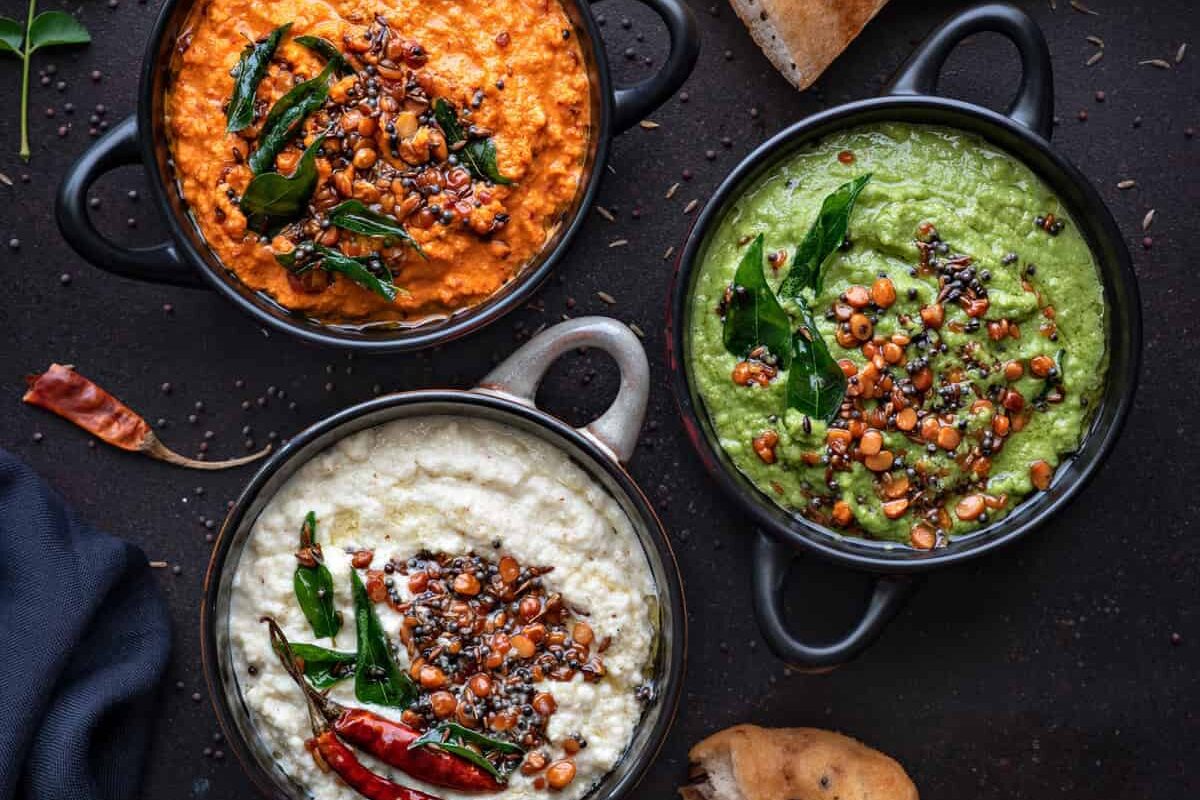
Coconut Chutney

Ingredients
1 Coconut (chopped into pieces)
2 Tbsps. Sea moss gel
1 bundle Coriander (chopped)
1 Tbsp. Cumin
1 Tsp. Turmeric
3 cloves garlic (grated)
1 Tsp. Curry
2 Tbsps. Oil
2 pieces. Red chili
1 piece ginger (grated)
2 single hot green pepper
4 oz. Chickpeas (cooked)
1 Tbsp. Mustard
½ cup. Vinegar or Lime Water if needed
8 oz. Sugar Salt – to taste

Directions

  • Mix and blend all the ingredients, except, garlic, mustard, oil, red chili, cumin, curry, and turmeric.
  • Sautéed the remaining ingredients in a pot with the Oil
  • Add the blended coconut mixture to the sautéed ingredients and cook for 10 to 15 minutes. Let cool before consuming or storing.

NOTE:
The chutney can be refrigerated for months.

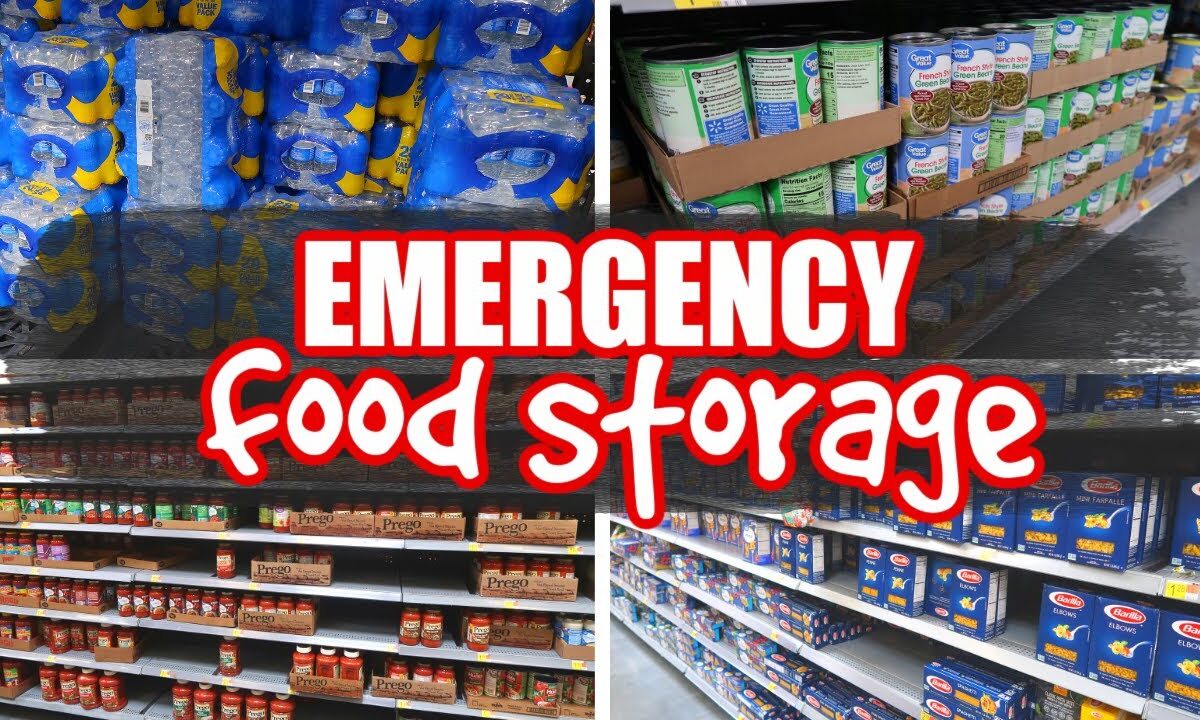
Proper Food Storage During a Disaster

When preparing for an emergency there are a number of things that should be considered as it relates to Food security, supply and storage.

Food safety is paramount during the hurricane season and families; large or small need safe foods to consume during and after a disaster. There are many ways to store and prepare food for the family and it is important to have a family disaster plan which outlines food safety mechanisms for all members of the family.

When planning and storing foods for a disaster it is important to have foods stored on a short-term and long-term basis; these are foods that can be stored and consumed safely for up to three days post-disaster and also foods that are suitable to be stored for up to two weeks or more post-disaster.

Store foods that are easy to prepare such as canned and packaged that do not require cold storage, Thin ahead and plan menus to include a variety of food groups so that the family can have at least one well-balanced meal each day post-disaster. Buy items like flour, grains, seeds, and peas in bulk and if possible, keep fresh fruits and vegetables on hand for use in the short term and replace them if available after the event. Store an adequate amount of water for the family; at least 1 gallon of water per day for each person and each pet, more water is needed for pregnant women and for people who are sick.

Store opened packages of cereal, crackers, sugar, pasta, rice, and others in plastic bags or Ziplock bags and place them in airtight storage buckets or containers to protect them from rodents and insects. Powdered milk should be stored in an air-tight container. Add vitamin, mineral, and protein supplements to your food storage list to ensure adequate nutrition for the long term. Check the expiration dates for all foods before storing them and ensure they are three months or more before expiration. Ensure that canned foods are free of dents or rust since this can make them unsafe to consume.

If the electricity goes out after the disaster, perishable foods should be used before using your emergency supply. Minimize the number of times cold storage equipment is open to keep foods safe a little longer; grouping foods in the freezer will help them stay cold longer and can prevent cross-contamination, especially when thawing begins. Check out our social media pages for healthy recipes and food and nutrition tips.

Mangos and Men’s Health

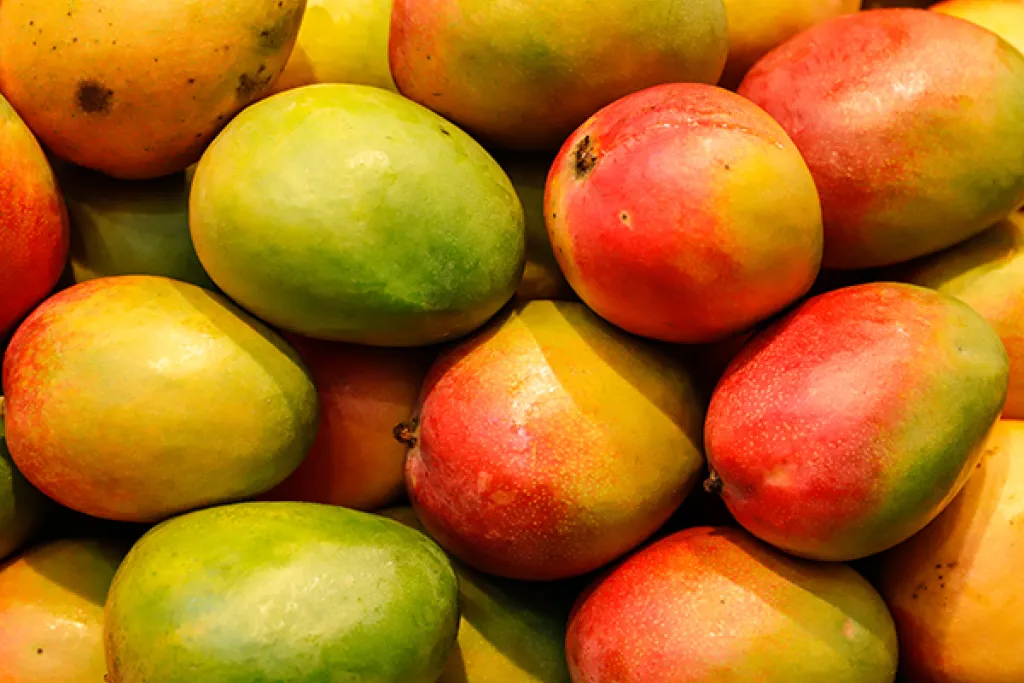
Mangoes not only delicious but they are very nutritious and there is a flavour and type for everyone as it they come in a wide variety. Mango is a super fruit that contains dietary fiber, natural sugar, and 20 vitamins and minerals that include vitamins C, A, B, K, and E, minerals like magnesium, potassium, manganese, potassium, and copper, and nutrients like carbohydrates, and a small amount of protein and fat. The fruit is not only beneficial to men but is great for everyone regardless of age because it has many health benefits for the body, including heart health, skin health, and eye health, and boosts the digestive and immune systems.

Mangoes are low in calories and may help to control blood sugar spikes among people with diabetes due to their fiber content and low impact on blood sugar when eaten in moderation. Mangoes are also rich in polyphenols, an antioxidant that reduces oxidative stress. Oxidative stress is associated with many diseases, including cancer. Mangoes can help prevent certain types of cancers in collaboration with a healthy balanced diet. The nutrient properties in mangoes can also help boost brain health and reduce the risk of cognitive decline caused by Alzheimer’s.

Mangoes are very versatile and can be used to make many dishes, such as salads, juices and smoothies, chow with other fruits and vegetables, cakes and pastries and the skin and flesh can be eaten raw.